Grape blossom

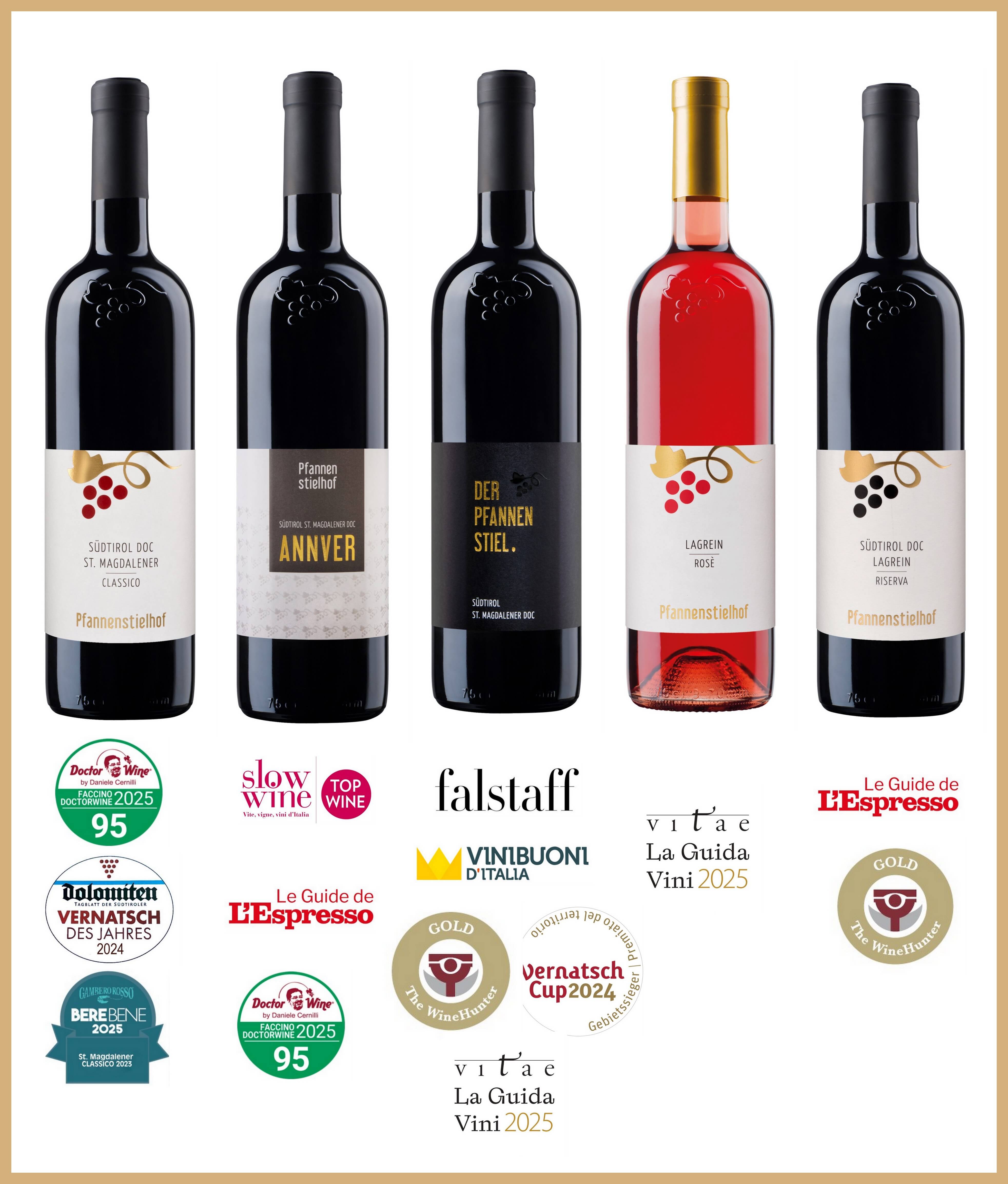
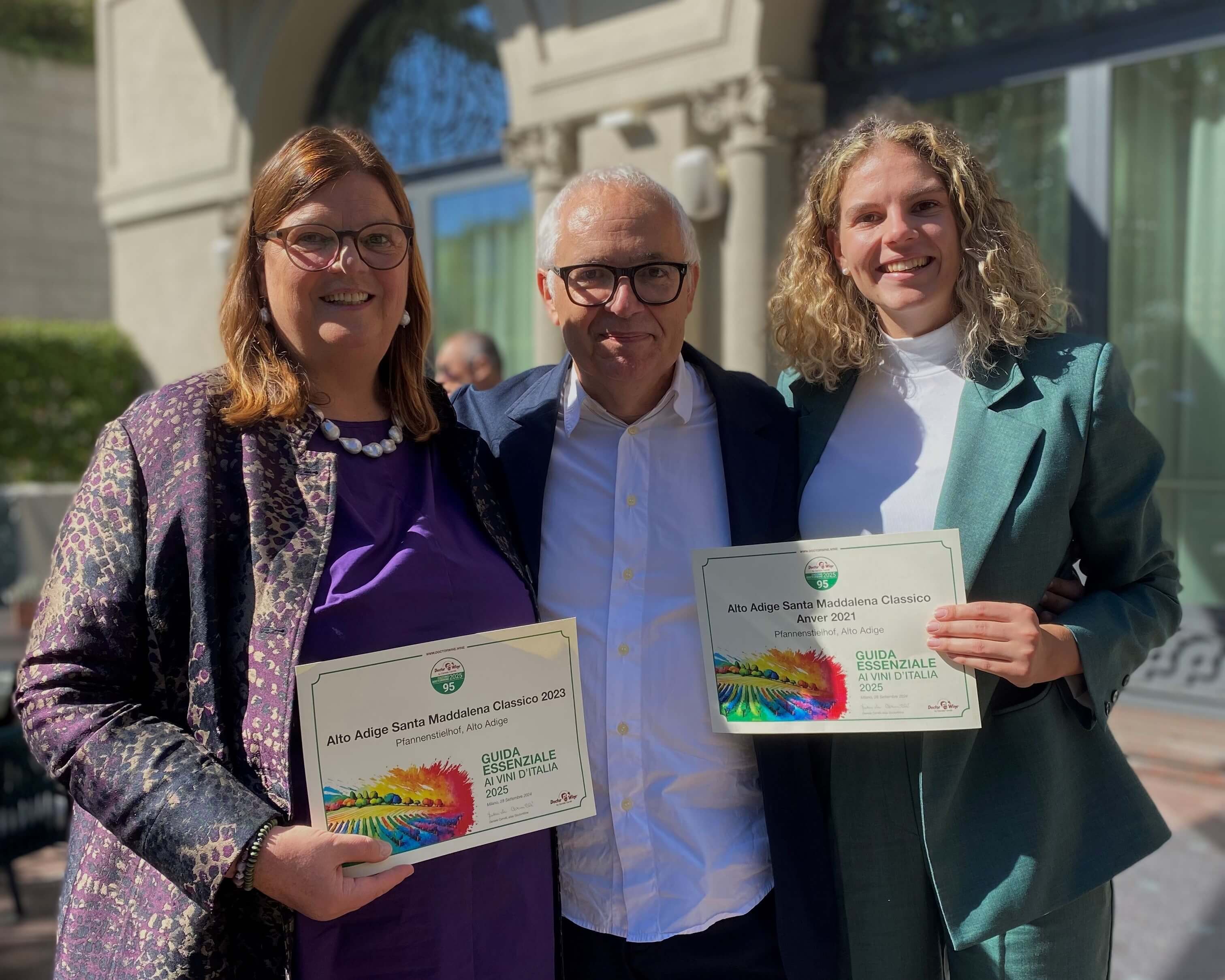
St. Magdalener CLASSICO 2023
- Faccino DoctorWine
- Dolomiten-Vernatsch Siegerwein
- Berebene Gambero Rosso Price/Quality
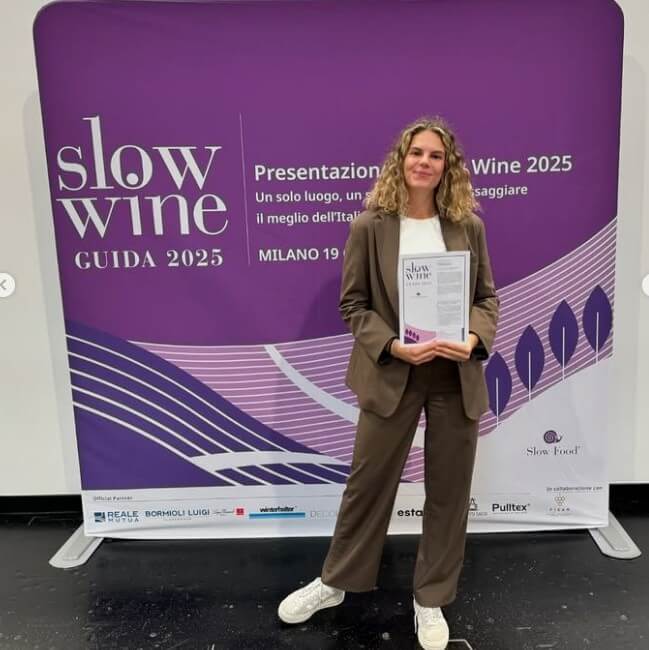
St. Magdalener ANNVER 2021
- Topwine Slow Wine
- L'Espresso, Luca Gardini
- Faccino DoctorWine
St. Magdalener DER PFANNENSTIEL. 2019
- Decanter Platinum 97 points
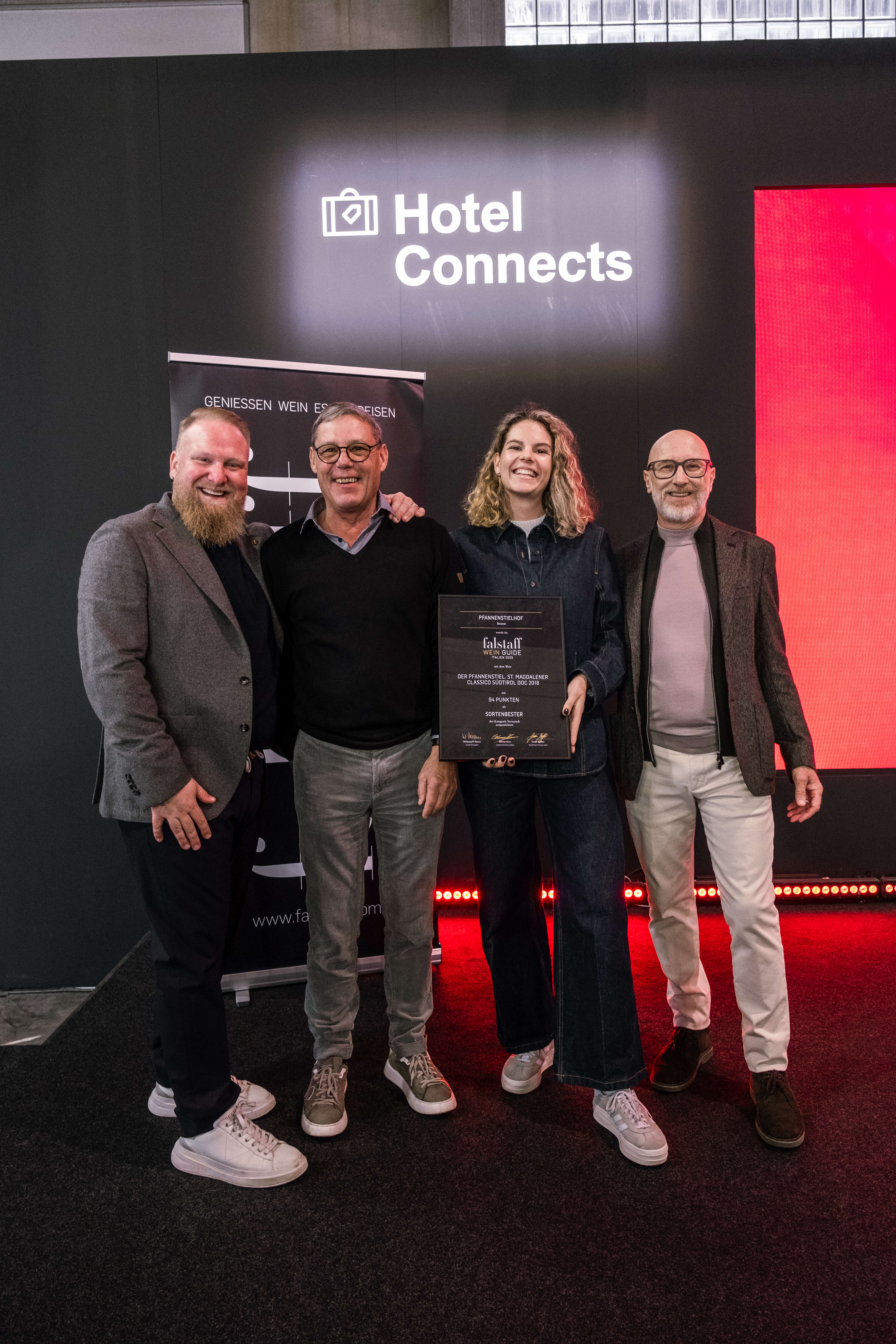
St. Magdalener DER PFANNENSTIEL. 2019
- Falstaff, Best of Vernatsch
- Corona, Vini buoni d'Italia
- 4 viti, AIS-Wineguide
- The Wine Hunter Gold
- Vernatsch Cup, Selection and Area Winner
Lagrein Rosé 2023
- 4 viti, AIS Wine Guide
Lagrein Riserva 2022 Decanter
- 93 points
Lagrein Riserva 2021
- L'Espresso, Luca Gardini
- The Wine Hunter Gold
An almost inconspicuous but crucial process
Before flowering, the inflorescences are known as spikes. They look like small, branched panicles and have a large number of flower spikes from which individual flowers emerge.
Each flower is covered by a cap , which lifts like a lid when the flower opens and falls off. This allows pollination to take place and the vine is self-fertile.
Unfertilized flowers wither and are shed from the stalk. Depending on the grape variety, between 30 and 60 % of the flowers develop, this is the so-called "flowering rate". The development of the vine is sensitive to the weather: rain, cold or heat can disrupt fertility and"trickling" can occur. This causes smaller flowers and berries to be shed. Consequently, the climate during the flowering phase is decisive for the subsequent yield.



























newsletter
We will keep you up to date.
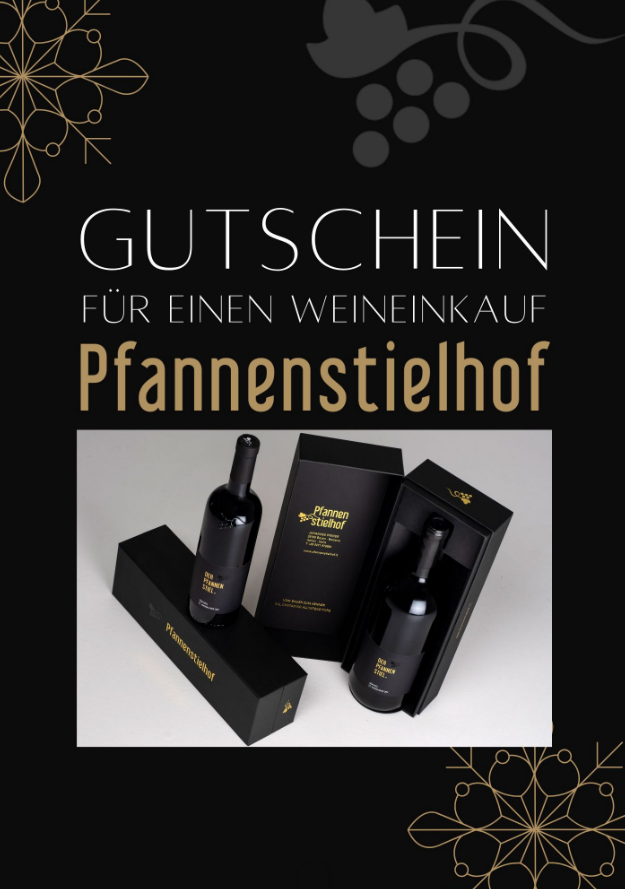
WineVoucher - Give the gift of pleasure
It's as simple as that:
- Optional: Add a personal dedication or the name of the recipient - simply contact us!
- After ordering & payment you will receive the voucher as a PDF by e-mail - print it out or give it away digitally!